Human Feces Cleanup
Disinfection accompanies human feces cleanup in public restrooms, homes and rental properties.
See human feces cleanupGet feces, urine, vomit, blood and other bodily fluids removed from a home, rental, care setting or workplace in Riverview. The affected area is cleaned, disinfected and checked before it is used again.
Safe removal of blood, vomit, urine, feces and other human waste is bodily fluid cleanup. It continues with disinfection, cleaning and treatment for odors in the affected area.
A spill can get beneath the surface, reaching seams, wall cavities, carpet pad, grout or unfinished wood. That is why this work goes beyond regular housekeeping. Cleanup technicians map all affected and nearby areas, keep other rooms protected and determine which materials allow disinfection. With a larger biohazard remediation job, safe packaging, containment, odor removal and waste disposal may be part of the full process.
Whether contamination happened once recently or built up through repeated events, specialized cleaning can address the bodily fluid. Vomit cleanup, combined urine and feces cleanup, or human feces cleanup may take place in an apartment, care setting, home, restroom, workplace, hotel or school. The source is removed, each surface receives the right product and the space is prepared for future use.
Disposable matter is kept separate from cleanable personal belongings and mementos. When circumstances permit, you are consulted about belongings before deciding to remove them.
An insurance company assessing the event, along with managers and property owners, can receive organized photos, a defined work scope and available disposal records.
Calls are answered both day and night, with unmarked vehicles used for crew arrivals. You receive a calm discussion of the situation, and access is limited to the work space that is needed.
Get answers before work starts about the cleaning process, the way it will move forward, affected areas, items that can stay and possible removals.
You may need professional cleanup if an ordinary cleaning method cannot address the health concern, or if bodily fluids soak into porous surfaces or spread widely. Every case has its own scope, but frequent needs include:
Commercial feces cleanup in restrooms, stores, offices and shared buildings may require a controlled work area that protects staff and visitors.
A welfare check, move-out or cleaning of a severely neglected building may reveal human or animal waste.
Beyond the visible area, vomit, diarrhea and other liquids can reach nearby touch points, soft items and places your loved ones use.
Feces and urine cleanup may be needed when repeated accidents soak mattresses, carpet, baseboards and subfloor, causing contamination and persistent odor.
Your first priorities are personal safety and preventing material from moving outside the original spot. If emergency personnel or law enforcement are involved, wait for release of the area before entering. Use these measures while you arrange a cleaning service:
Call (888) 440-9227Published guides put the small blood or fluid cleanup range at $500 to $2,500. For the wider span, a blood cleanup pricing guide lists $300 to $4,000. Neither comparison amount establishes a universal charge. Your actual bodily fluid cleanup cost reflects fluid type, affected-area size, involved surfaces, odor treatment and waste disposal.
The figures shown are national ranges from published cost guides and are not based on an on-site visit. The price for your property is set after the on-site assessment, and you hear it before work starts.
Ask about cost: (888) 440-9227Whether coverage applies depends on how the contamination occurred, along with policy limits, terms and your deductible. For work without immediate urgency, discuss biohazard cleanup with the insurance company before giving authorization.
Questions for the adjuster from business managers or property owners can address required records and building policy coverage before damaged material is taken out.
Retain the scope of work, waste records, pictures, bills and claim number. Insurance companies decide coverage, so cleanup records do not promise payment.
Victims of violent crime can ask the Florida Attorney General's Bureau of Victim Compensation about cleanup, since its rules count crime scene cleanup costs as a compensable loss. Insurance is usually checked first.
Coverage may apply when cleaning follows a sudden event included in the policy, although ordinary maintenance, sanitation and neglect generally receive different treatment. Confirm your own terms.
This bodily fluid remediation process covers every stage between the opening assessment and final check. A controlled sequence helps protect clean rooms from transferred contamination. The particular fluid, distance traveled and affected materials shape the steps.
The cleanup team locates the source and affected areas, then notes porous materials, adjacent surfaces, sharps and hazardous materials needing added care.
The affected work zone is kept apart from clean spaces. Protective gear, including clothing, gloves and eye protection, is chosen to suit the exposure.
Before moisture-based cleaning starts, careful collection of pooled fluids and solids helps keep material from splashing or reaching surrounding areas.
Soft furnishings, carpet pad, unsealed wood and damaged drywall might need removal if fluid has absorbed too deeply to clean fully.
The surfaces that remain are cleaned and then treated using an EPA-registered disinfectant that stays for its entire labeled contact period.
The team checks and cleans door knobs, fixtures, switches and surrounding surfaces wherever hands, equipment or shoes might have transferred material.
Waste that is thrown away is sealed and directed according to relevant rules. Odor control follows complete removal of what caused the contamination.
The affected space receives a final check for soil or smells that remain. For insurance assistance and property files, the work scope, pictures and disposal records may offer support.

Call at any time. A bodily fluid cleanup specialist answers, explains the steps and agrees a start time with you.
Bodily fluids can be mixed with infectious material or contain germs. Porous surfaces may keep contamination hidden below what is visible.
Disease-causing parasites, viruses and bacteria may be present in fecal matter. You can spread illness by touching it or moving it to high-touch areas, hands and food.
Liquid can soak into drywall, unfinished wood, mattresses, carpet and its padding. Surface wiping can leave underlying odor and contamination behind.
Children, older adults and people with weakened immune systems may face greater consequences from exposure. The affected area should remain off limits to them as an initial precaution.
Can you clean it yourself? A small recent spill on a hard non-porous material may be manageable if you use disposable gloves, lift it cautiously and leave an EPA-registered disinfectant on for the full contact time on its label. Professional cleanup is needed for an unknown source, any blood, involved sharp objects, widely spread waste or fluid absorbed by carpet, drywall, wood or furniture.
Whether a material stays depends on its condition and absorbency. Thorough disinfection and cleaning often allow hard, intact items to remain, while materials with unreachable contaminated layers may require removal. When this work reveals damage, restoration services can repair walls, flooring and other parts of the building afterward.
The duration is shaped by how large the affected space is, whether materials need removal and the depth reached by fluid. Less work is involved for a recent surface spill than for recurring contamination spread across several rooms.
| Scene | Typical time on site |
|---|---|
| A small spill limited to one hard surface | Cleaning, disinfection and contact time |
| One room with porous materials | Cleaning, disinfecting, taking out waste and checking for smells |
| Several rooms or repeated contamination | Removal and cleaning performed in steps over more time |
Odor treatment must begin at its source, which needs to be located and removed. A fragrance can temporarily hide feces, urine or vomit odor, yet it leaves fluid untouched when it is behind a baseboard, under flooring or inside furniture.
Drying and ventilation follow once surfaces have been cleaned and contaminated material has been taken out. HEPA air scrubbers can help collect particles from the air while work is underway. Persistent odor may point to fluid retained in porous material, so seams, neighboring contents, floor edges and wall bases belong in the final inspection.
The full bodily fluid cleanup guide covers what is cleaned or removed, odor and air quality work, and the rules that apply in your state.
Read the full bodily fluid cleanup guideLocal population patterns, housing and site access may affect how containment and cleanup are planned.
At roughly 3.4 miles away, Shands Jacksonville is the closest listed hospital for urgent care after a cut, puncture, or exposure.
The nearby places of Lake Forest Hills, Lake Forest, and Highlands give useful orientation when arranging equipment delivery and waste pickup.
Properties within this Jacksonville neighborhood may share alleys, entries, or parking, so equipment movement should be planned around nearby residents.
Your phone conversation can include questions about service in nearby ZIP codes and communities.
Disinfection accompanies human feces cleanup in public restrooms, homes and rental properties.
See human feces cleanup
Disinfection after vomit cleanup keeps norovirus and other germs from spreading further.
See vomit cleanup
Walls, carpets, furnishings and hard floors receive blood cleanup, with safe disposal afterward.
See blood cleanup
Large or small, every fresh or dried blood spill is covered by blood spill cleanup.
See blood spill cleanup
Cleanup that controls hepatitis B, hepatitis C and HIV exposure from blood.
See bloodborne pathogen cleanup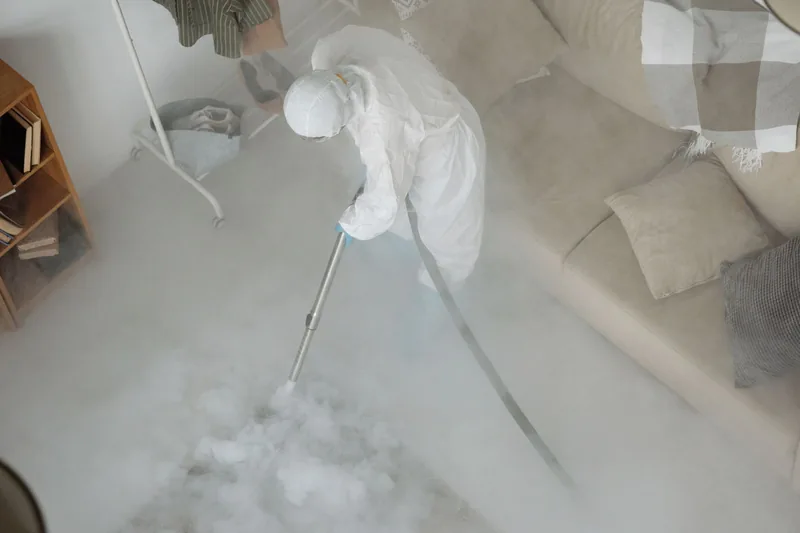
Full decontamination of rooms, surfaces and air after infectious or hazardous exposure.
See biohazard decontamination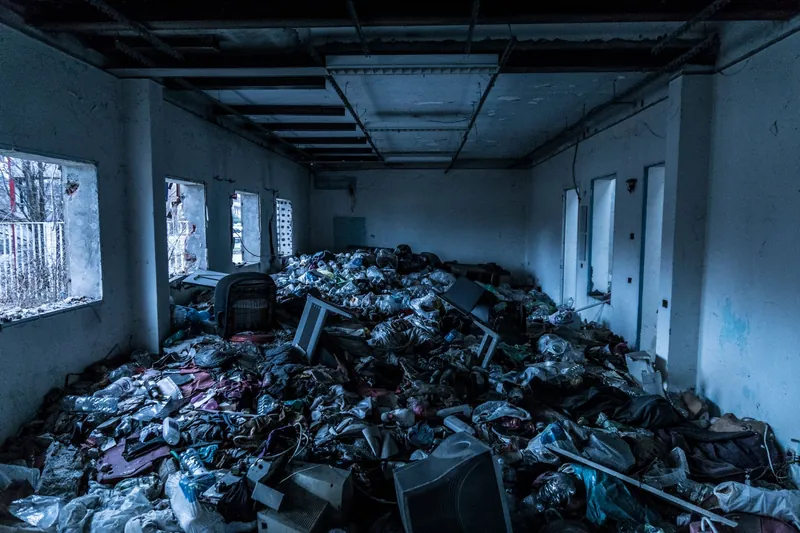
Hoarding cleanup combines respectful sorting, removal and deep cleaning.
See hoarding cleanupBefore cleaning, block others from the area and protect your hands with proper disposable gloves. Do not sweep or vacuum dried feces. After cautiously collecting solids and cleaning visible dirt, disinfect the sound hard surface with an appropriate product registered by the EPA, following its label exactly. Human feces removal by a professional is safer if the area is large, porous items are involved or risks are unknown.
It varies according to the distance the liquid reached. A minor spot on top might be cleanable, but contamination absorbed into underlay or backing can be hard to address fully. The subfloor can also be affected by recurring feces or urine exposure. An assessment should identify which materials can receive disinfection and which ones must be taken out.
Possibly, but the cause and terms of your policy determine coverage. Insurers may distinguish a covered unexpected incident from normal cleaning, maintenance or neglect over time. Before starting non-urgent removal, tell your insurance company what occurred and ask about biohazard cleanup, approval, documentation and deductible requirements.
Treat human feces as biological contamination since it can hold viruses, bacteria and parasites capable of causing disease. Keep people and pets away, avoid creating dust or splashes, and wash hands after any possible contact. Extensive affected areas and feces absorbed into furniture, carpeting or wood require a managed removal and disinfection process.
No, not always. A small, fresh spill with known contents on an intact, non-porous surface may be manageable with gloves, careful cleaning and a suitable disinfectant. Professional cleanup is appropriate when sharp items or blood are present, the source is uncertain, fluid soaked into porous surfaces or the affected area is too broad to manage safely.
Infectious material may be present in certain bodily fluids, while any fluid could contain feces, blood or a different contaminant. Risk depends on the fluid and the situation. Shield bare skin, cuts and eyes, and approach unidentified contamination carefully. A wide spill or fluid in porous material is a reason to seek professional cleanup.
Crews carry out respectful, discreet bodily fluid cleanup, arrive in unmarked vehicles and take calls 24 hours a day.